I've always been fascinated by places that suggest something happened long before we arrived.
An abandoned building. The remains of a machine. A ruin slowly disappearing into the landscape. Places where the people are gone but the evidence of their existence remains.
There's something compelling about standing in such a place and trying to imagine what happened there. Who built it? What was it used for? Why was it abandoned? What did it look like when it was new?
And perhaps most interestingly, what happened to the people who once believed it would last?
I think much of Ankaris comes from that fascination.
The worlds we imagined
When I was growing up, science fiction offered a particular kind of wonder.
I remember the extraordinary illustrated books of the 1970s and 80s, especially the spacecraft paintings collected in books like Spacewreck. They weren't simply pictures of machines. They suggested entire civilisations, histories and adventures that existed somewhere beyond the edges of the illustrations. As previously mentioned in another newsletter and IG post, these books were a major influence.
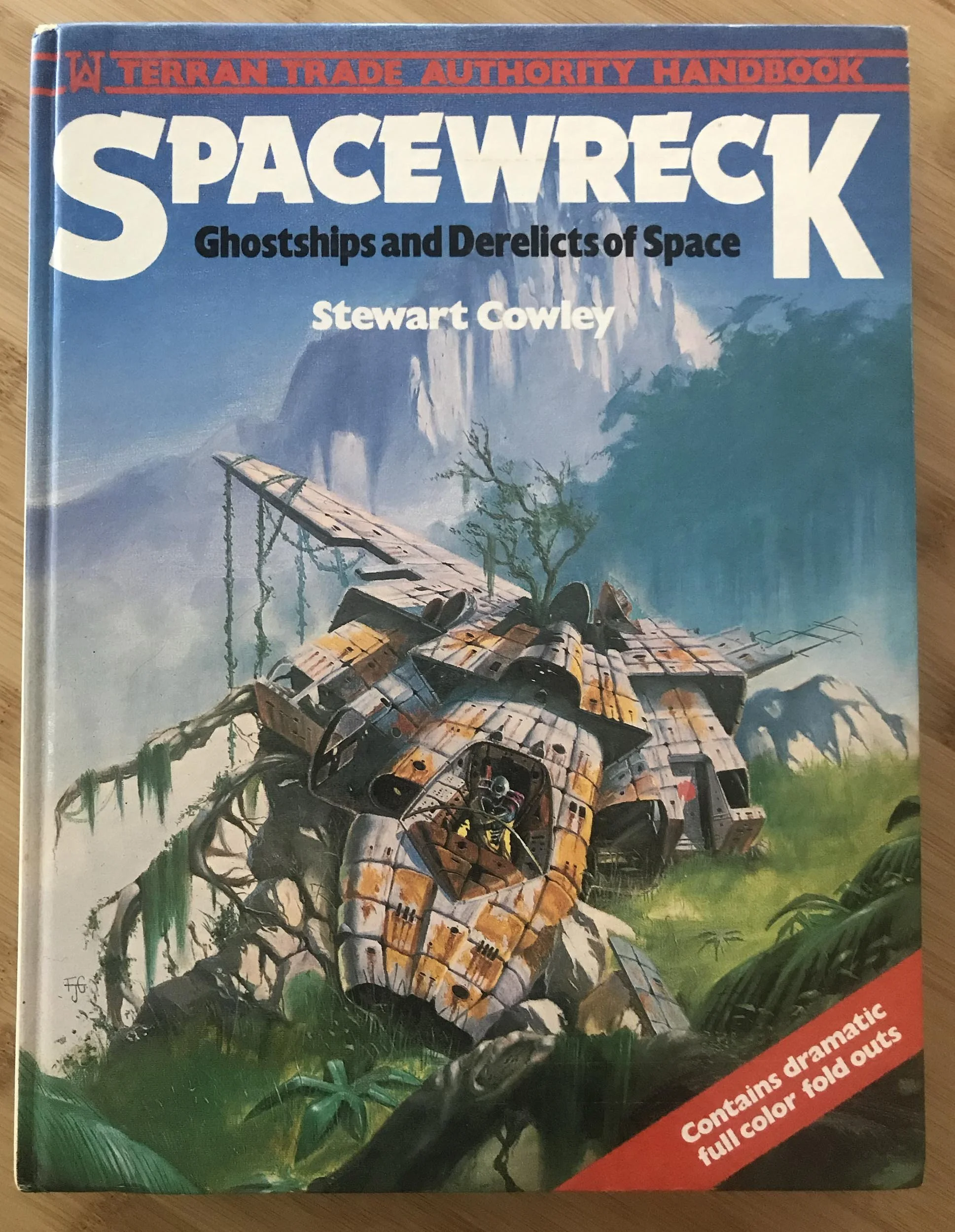
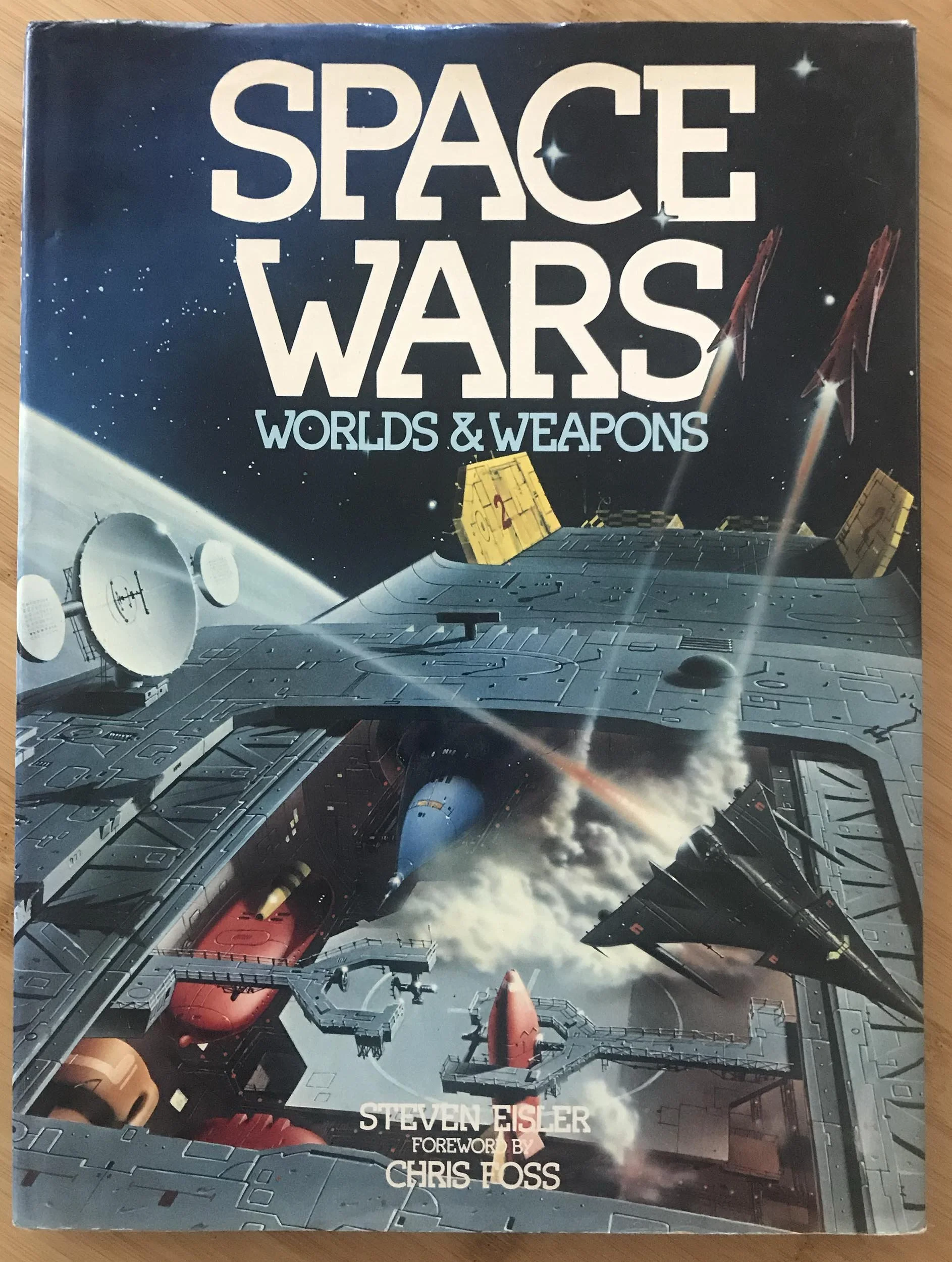
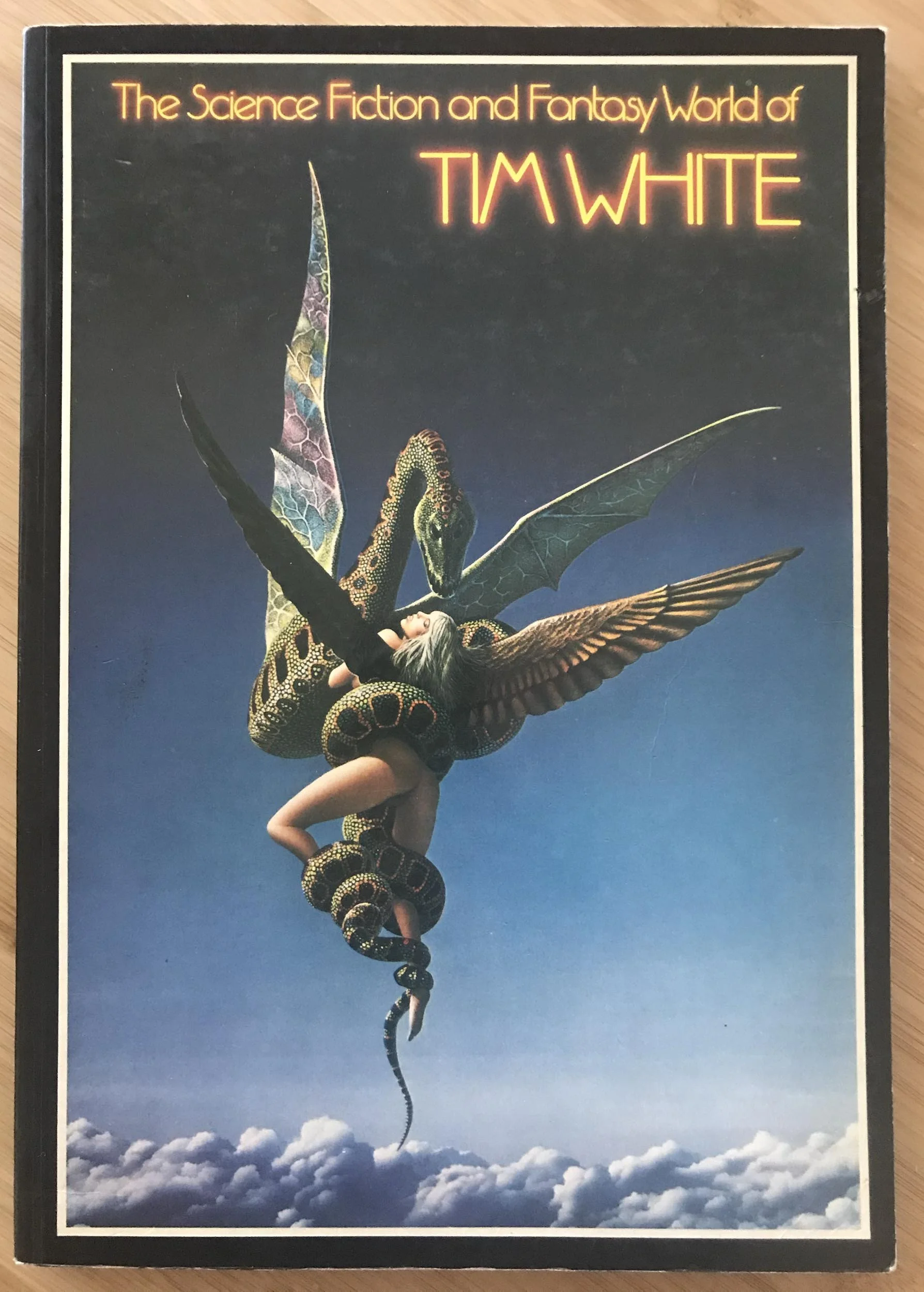
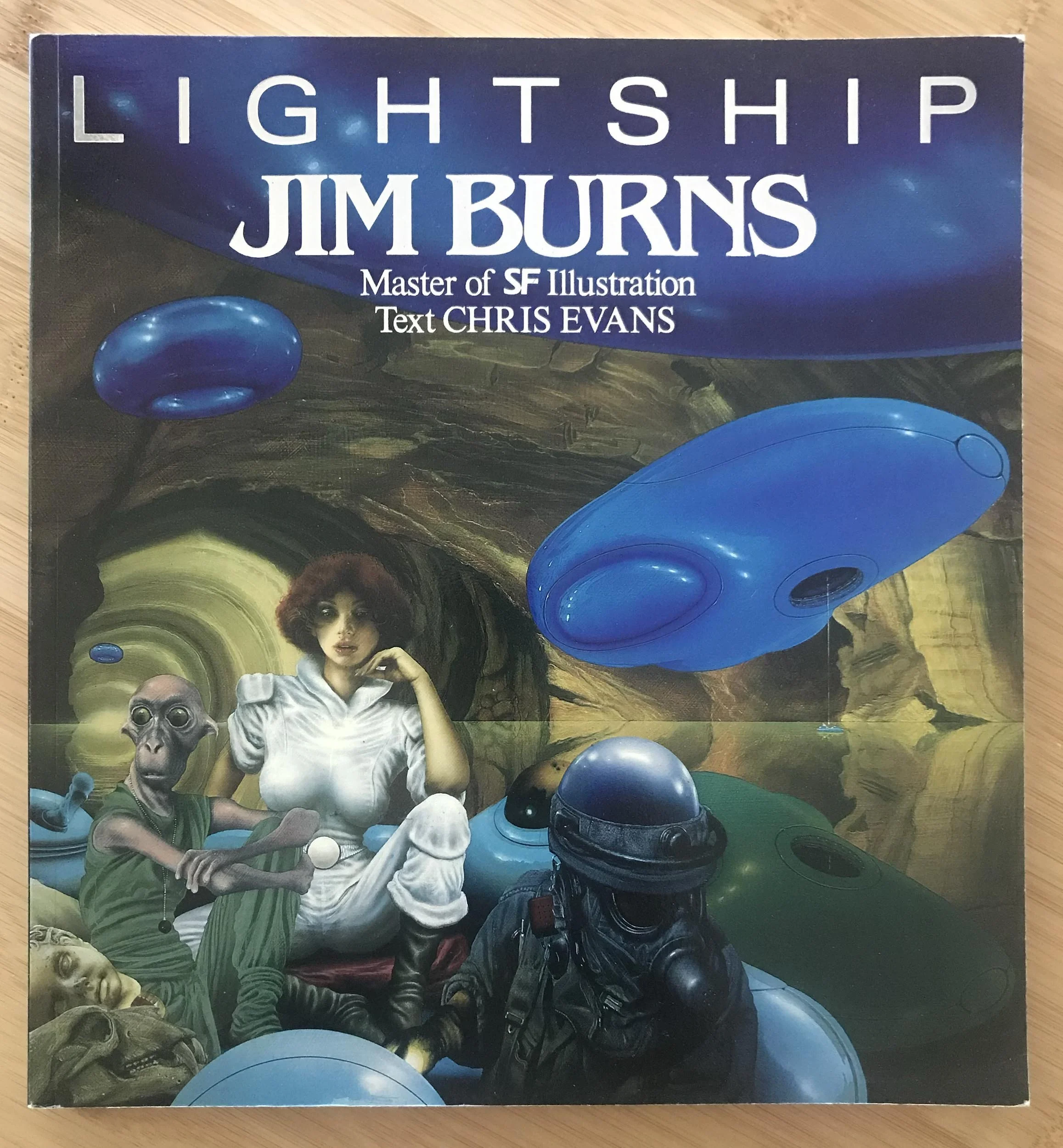
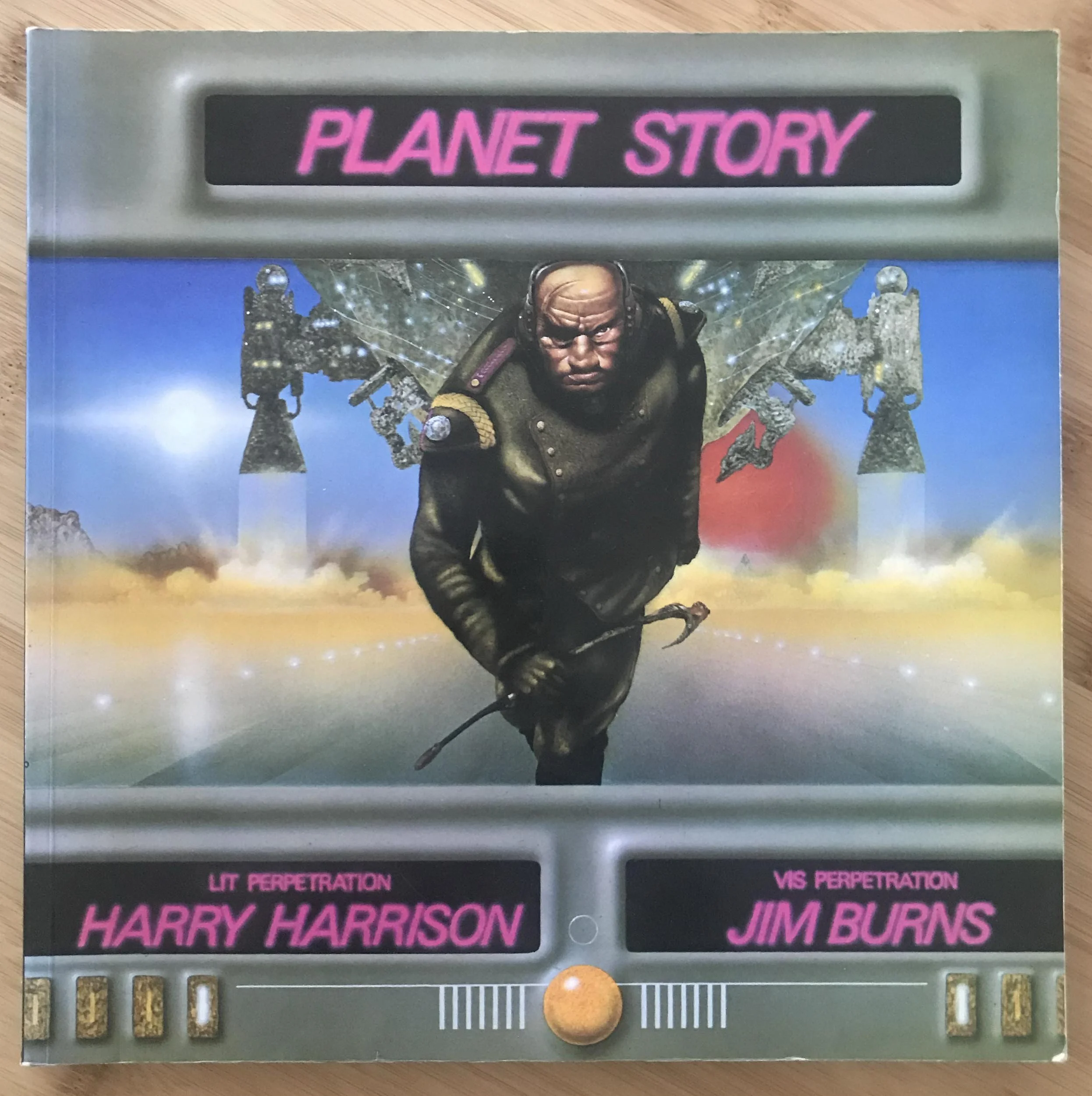
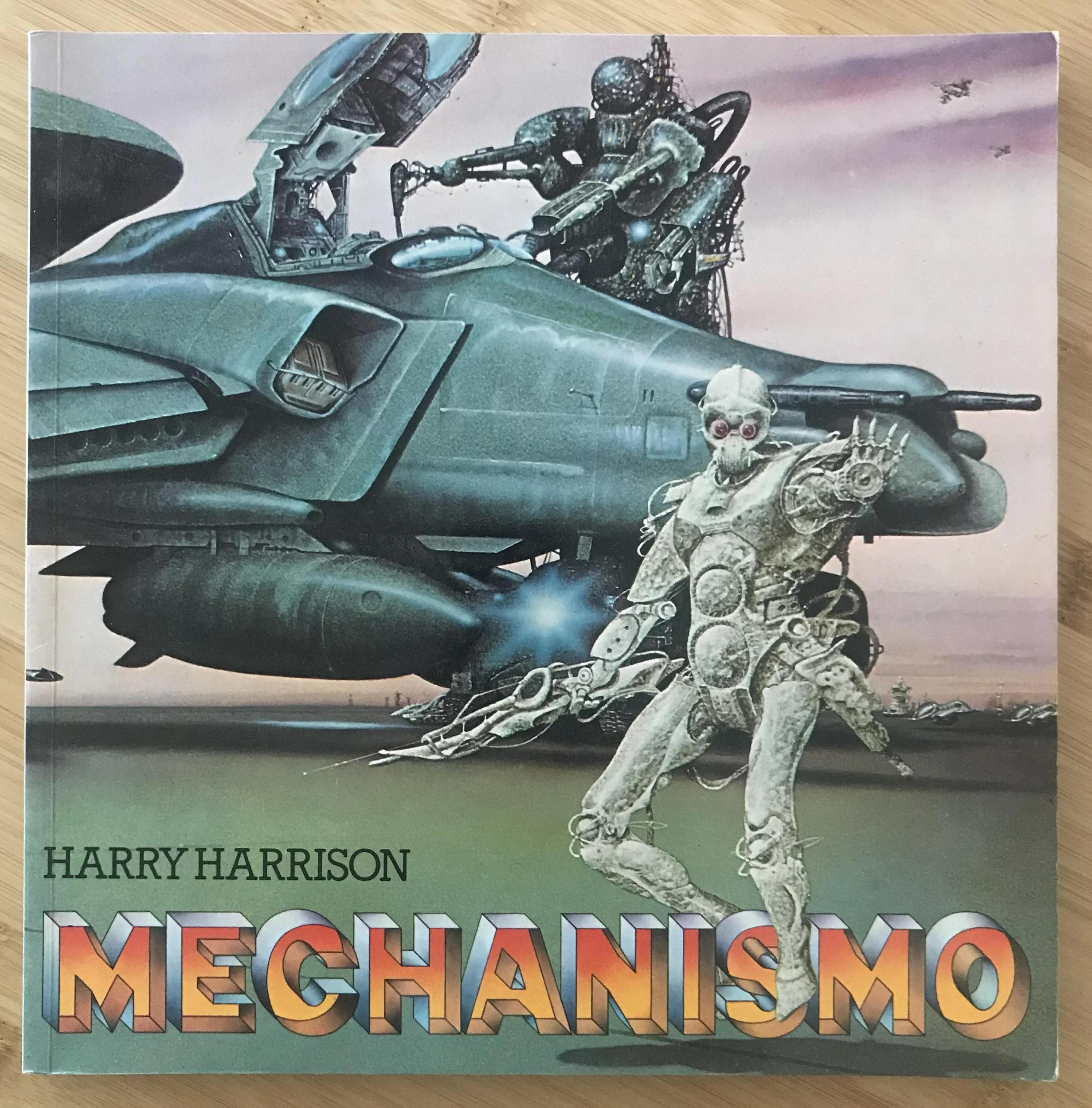
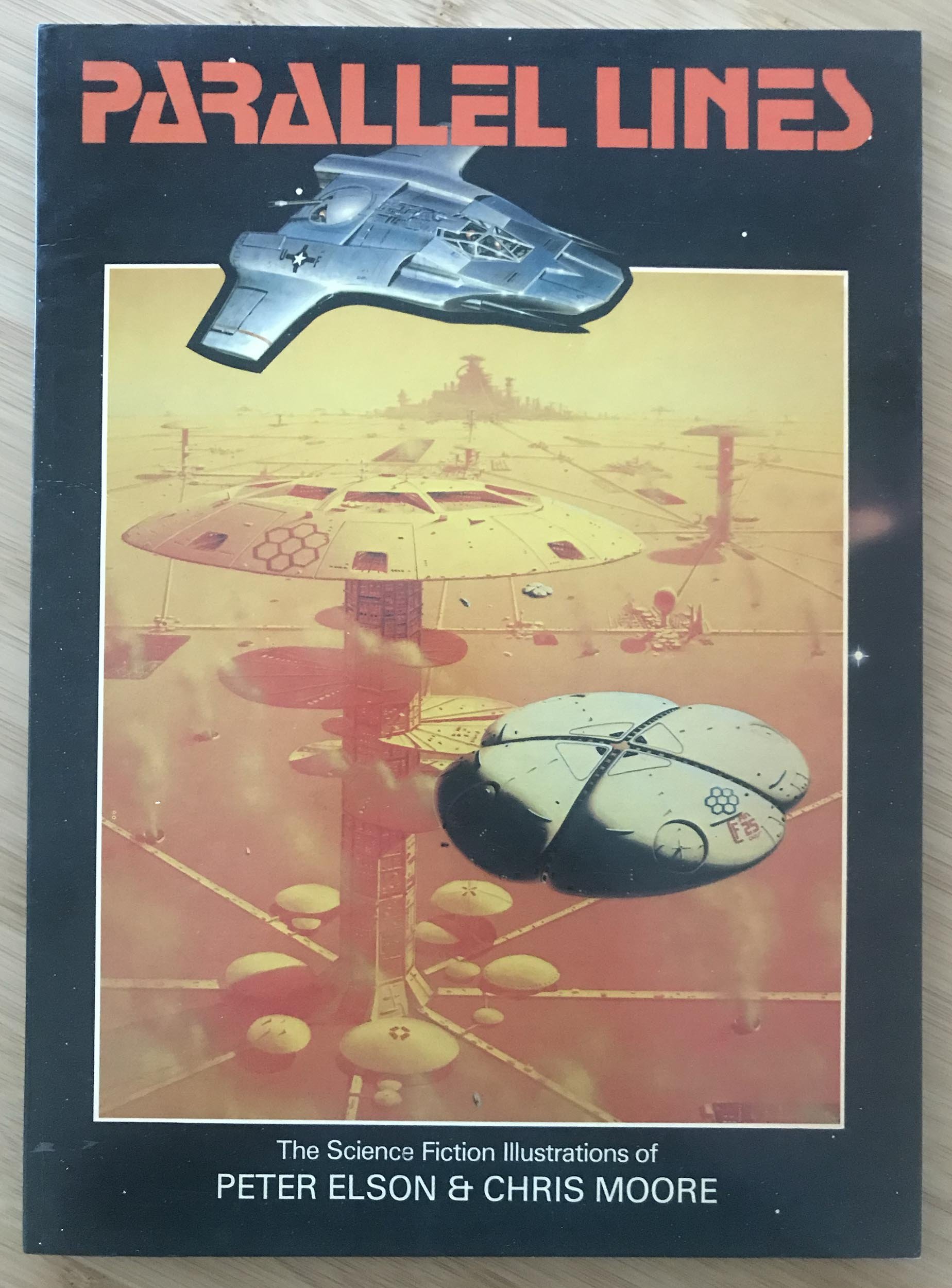
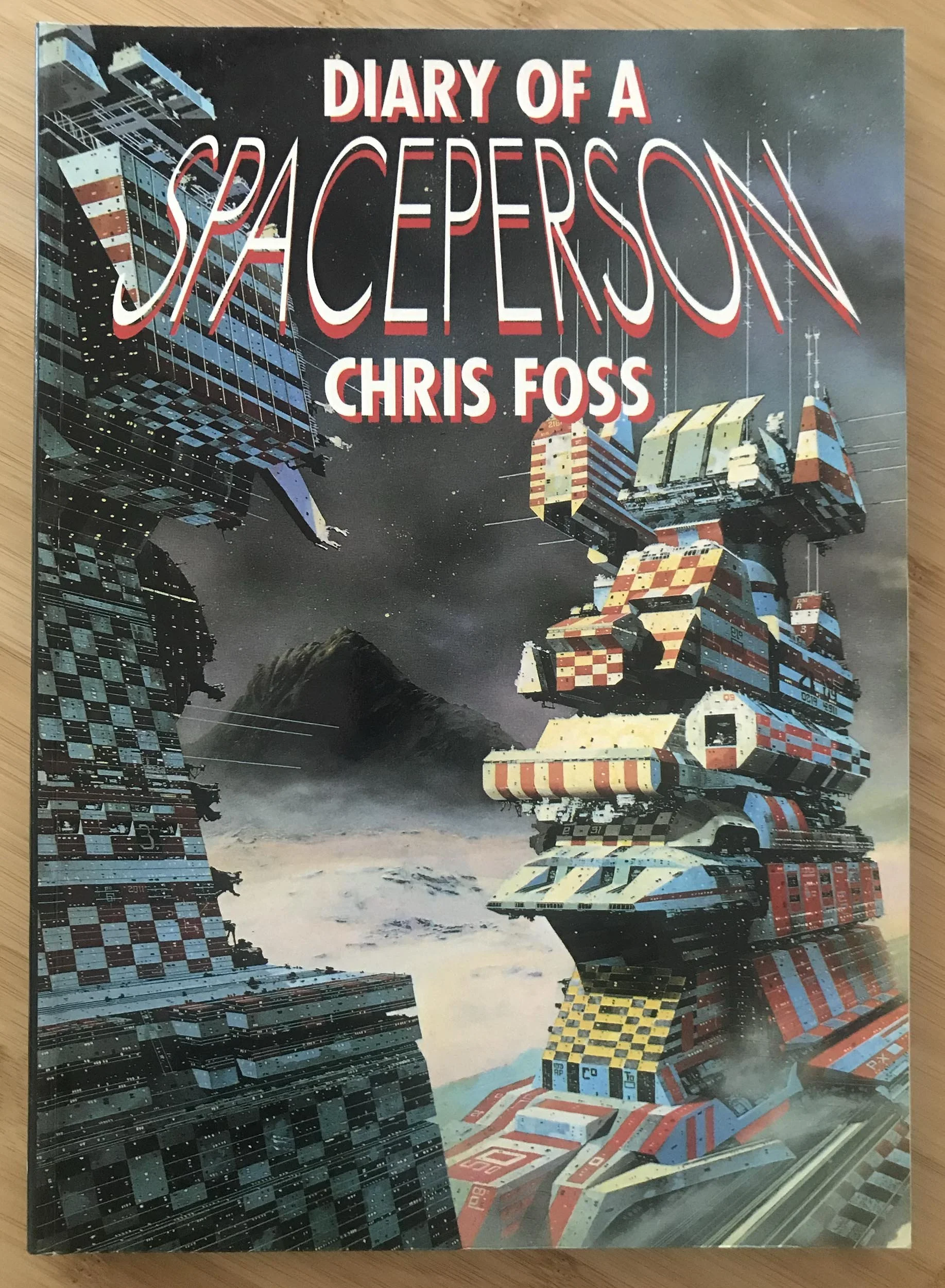
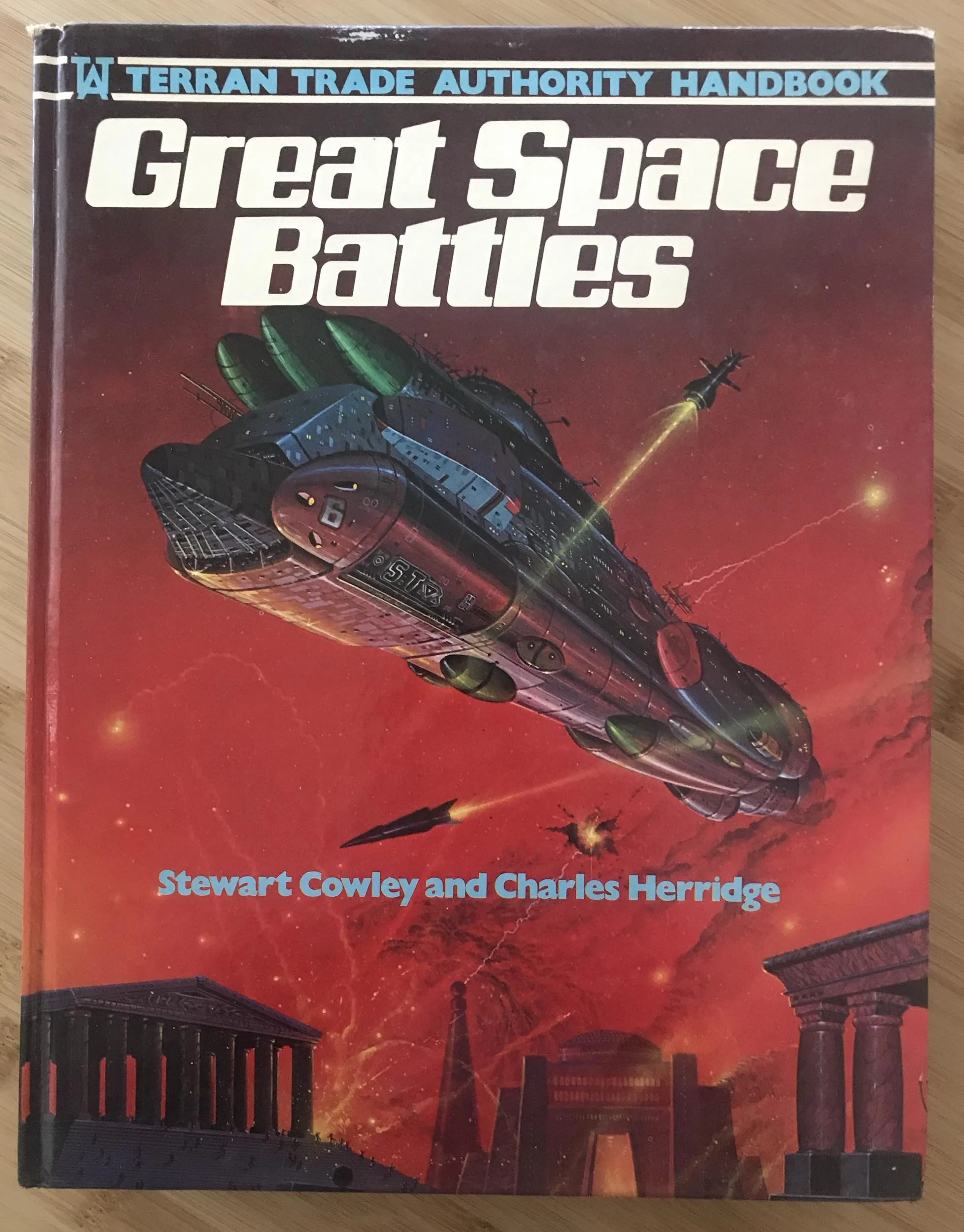
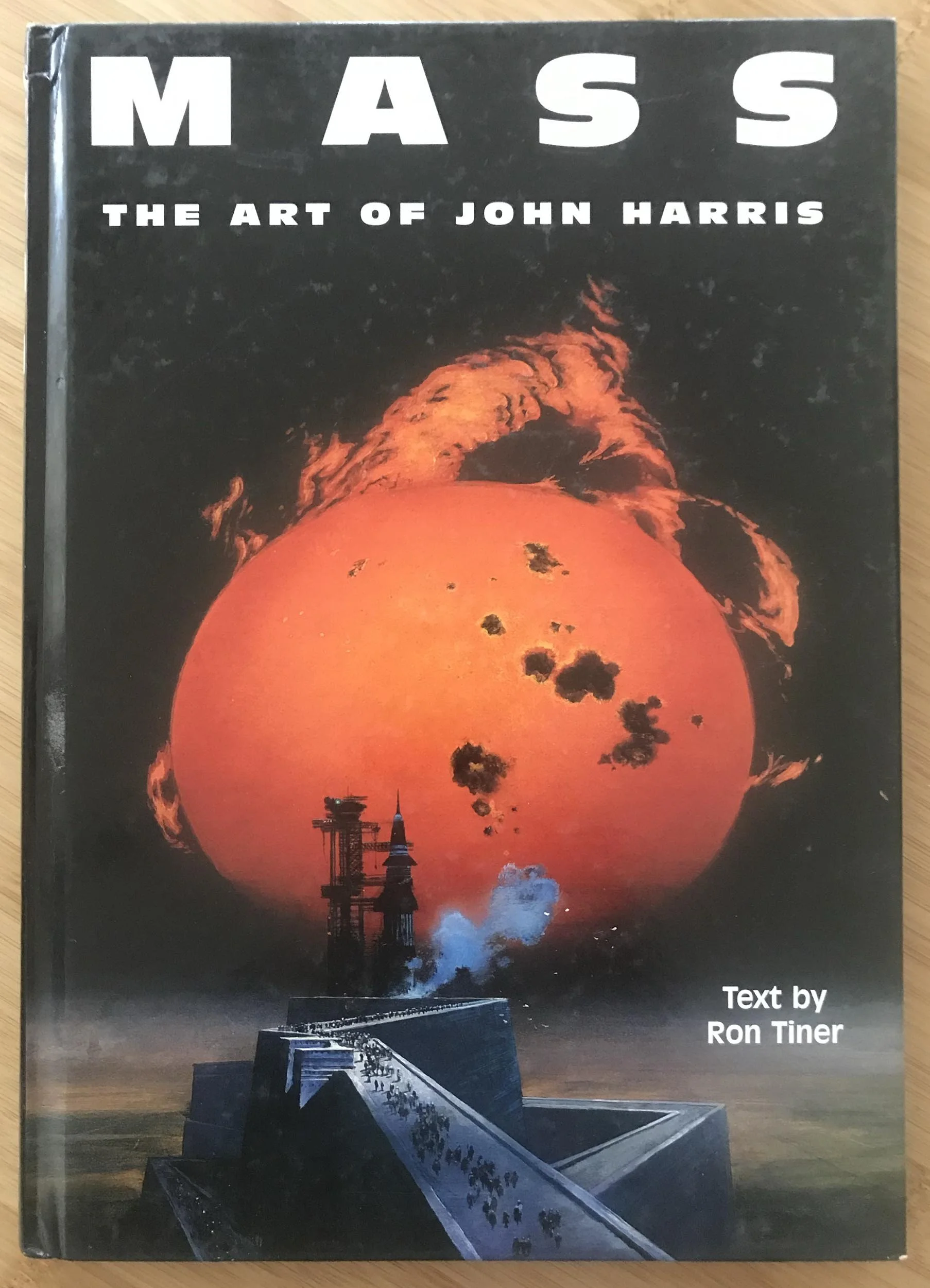
Often, the image was all we had.
There wasn't necessarily a film to watch or a story explaining every detail. We were left to imagine where these extraordinary things came from, what had happened to them, and what might exist beyond the frame.
That was part of their magic.
And decades later, I still find myself drawn to that same sense of possibility.
Not simply the spectacle of a vast spacecraft, but the suggestion of a much larger world that we can only glimpse.
The future has a past
Most science fiction is concerned with what comes next.
I've always been equally interested in what happens afterwards.
What happens to the extraordinary machines when they're no longer extraordinary? When technology becomes obsolete, empires disappear, and the great achievements of one generation become the abandoned infrastructure of another?
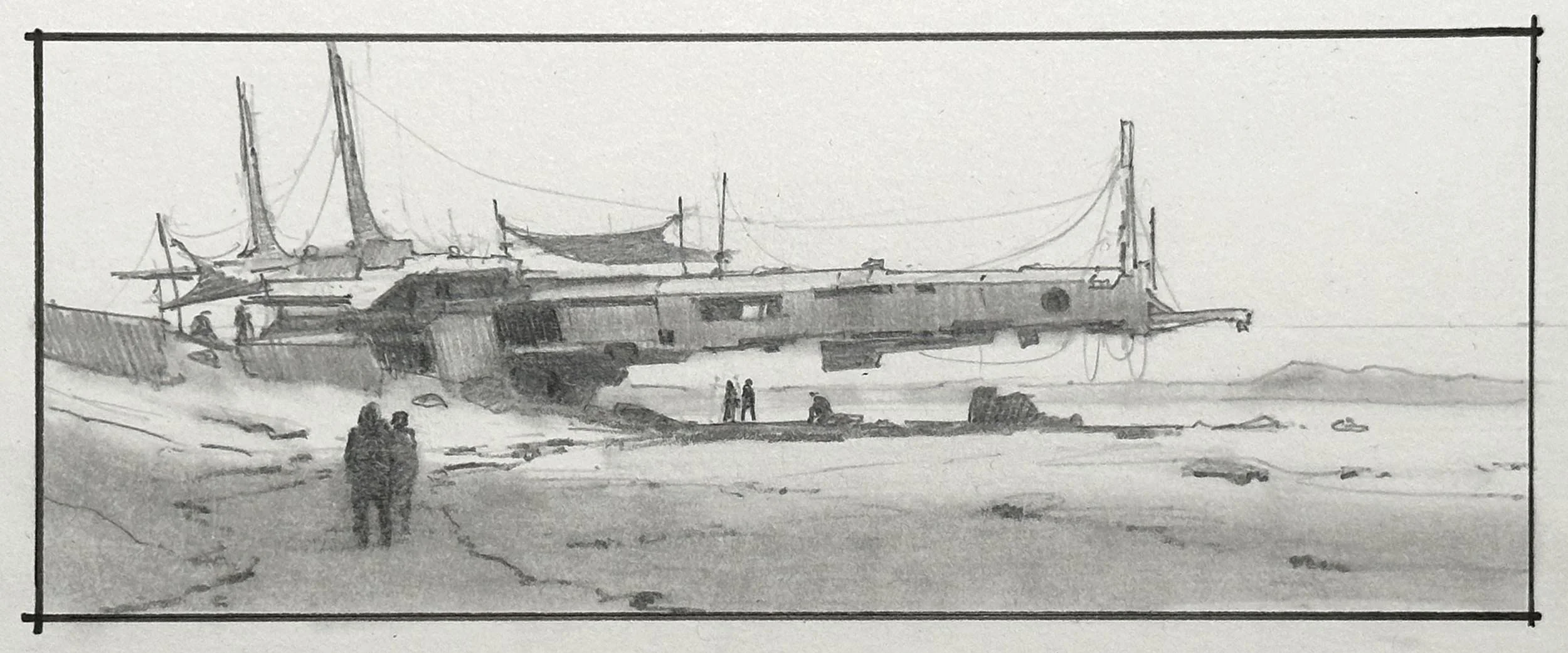
On Ankaris, spacecraft are brought to be dismantled. Machines that once crossed unimaginable distances are reduced to their component parts. Materials are recovered, structures are cut apart, and the remnants of one age become the raw materials or the dwelling spaces of another.
There's something both melancholy and beautiful about that idea.
These ships were once somebody's future.
They represented ambition, exploration, engineering, perhaps even hope. Now they are wrecks, industrial workplaces, landmarks, or simply enormous objects slowly surrendering to time.
And yet I don't see them as entirely dead.
They still contain traces of the people who built them, travelled aboard them, worked inside them and eventually abandoned them.
To me, that's where the stories begin.
The homes we leave behind
There's another idea woven through Ankaris, one that I think is much more personal.
The meaning of home, and the inevitability of losing it.
As a child, I was fascinated by abandoned buildings and disused factories. There was even an abandoned factory across the road from where I lived. These places had once been full of activity, purpose and people. Now they were empty, their original lives reduced to fragments and traces.
But the same thing happens, in a quieter and more intimate way, to the places we call home.
We tend to think of home as somewhere permanent. A house, a familiar street, a particular landscape. Yet what makes somewhere home isn't simply the building or the geography. It's the people who inhabited it, the experiences we shared, and the memories accumulated over time.
And none of those things can remain unchanged.
People grow older. They leave. They die. Familiar places change, sometimes beyond recognition. Memories become less certain, details disappear, and eventually even the people who remember are gone.
One day, somewhere that was once the centre of our entire existence will become somebody else's home.
They will live their lives in those same rooms, look through the same windows, and create memories of their own. They may know nothing of the people who came before them, or how deeply that place was once loved.
There's something profoundly sad about that. But there's also something strangely beautiful in the continuation.
A place doesn't stop being a home simply because it is no longer ours.
I think the enormous wrecks of Ankaris express something of this. A spacecraft that once carried people between the stars might eventually become a workplace, a shelter, or even a home for people who know almost nothing of its original purpose.
Entire lives might unfold within the remains of somebody else's forgotten world.
The machines endure, even as the memories associated with them fragment and disappear.
And perhaps that's part of what I'm trying to preserve in these paintings. Not the complete history, which may be impossible to recover, but the feeling that something meaningful once happened here.
That somebody lived here.
That this was once home.
